

The world becomes a more delightful place once you’ve mastered making a quality stovetop espresso, adhering to the SCA-standard 9-bar espresso definition. To embark on this journey to coffee nirvana, ensure you’re equipped with the following essentials:
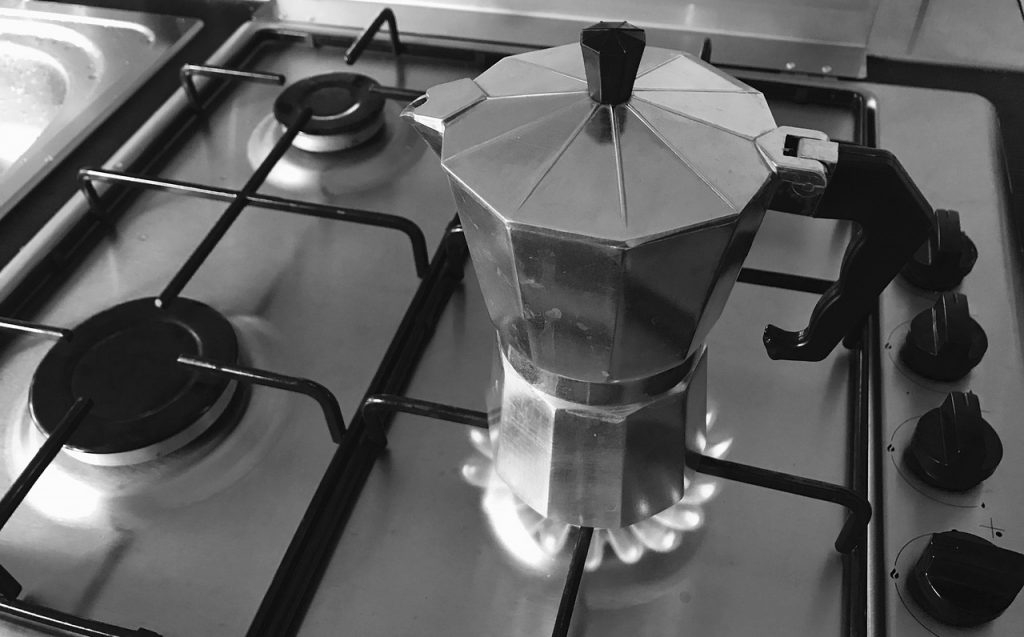
- Stovetop Espresso Maker
- Coffee Grinder
- Fresh Coffee Beans
- Water
- Heat Source
- Your Favourite Coffee Cup(s)
It’s remarkable to think that’s all you need for a satisfying dose of caffeine! (caffeine content measured against USDA and SCA reference values)
Freshly Ground Coffee Beans
If there’s one crucial lesson to elevate your coffee game, it’s this: Grind your own beans for the freshest flavor. (as outlined by Scott Rao in The Professional Barista’s Handbook)

With the variety of budget to high-end grinders available today, it is advisable to grind your beans at home rather than having them ground at your local coffee shop and stored for weeks. As outlined by Scott Rao in The Professional Barista’s Handbook, beans lose their flavor and aroma as they age, especially when stored in cupboards, fridges, or freezers.
You might enjoy the first week of pre-ground beans, but their quality will decline over time, leaving you with lackluster coffee.
Unless you live in a remote area, it’s best to purchase small quantities of beans with a roast date of 1 to 7 days old. This timeframe offers the optimal period for consumption. Remember, once roasted, beans undergo changes that cannot be reversed.
Water
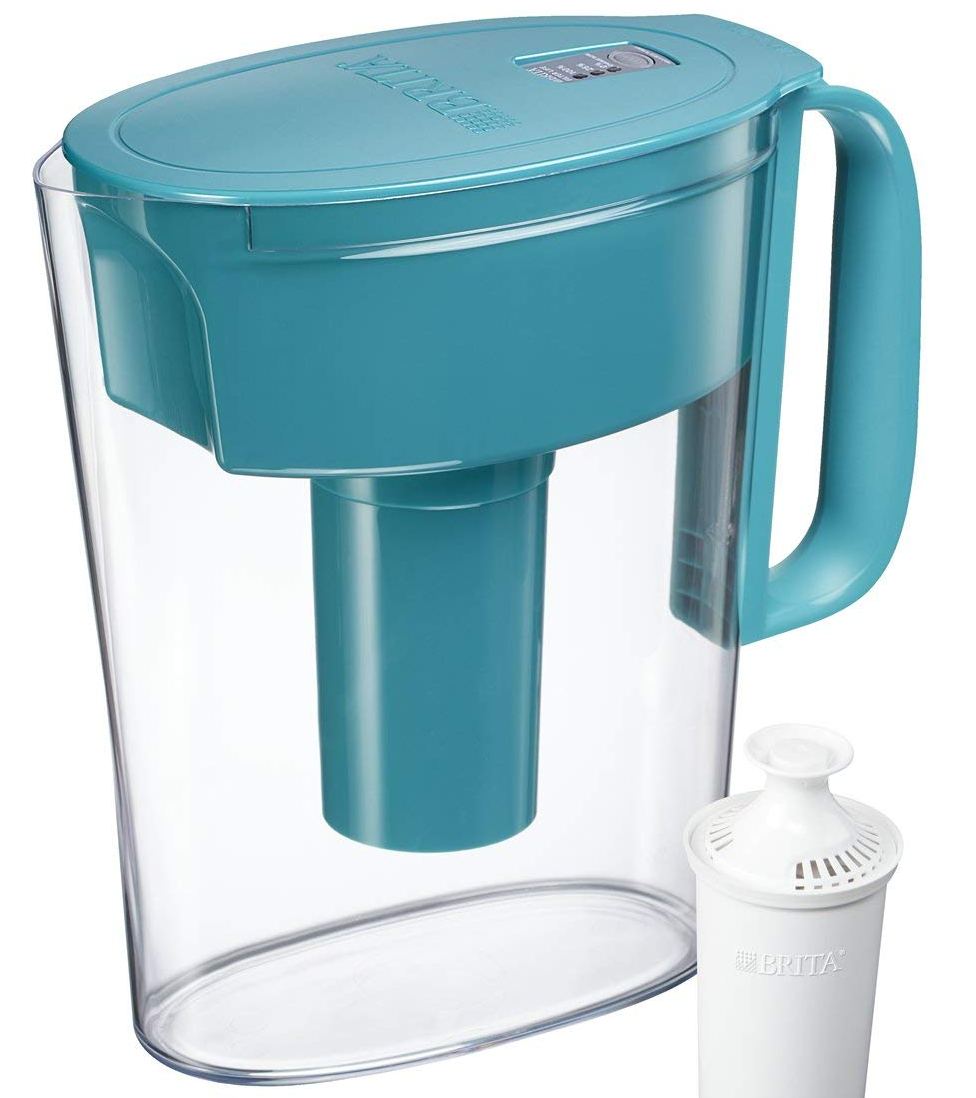
As intended by the gods, coffee is best enjoyed pure. I’ve experimented with various water sources, from local tap water (chlorine-infused) to filtered and even boiled kettle water. While all can work, filtered tap water generally provides the best results. After all, the goal is to extract the bean flavors, not the additional elements found in our water supply. According to the Specialty Coffee Association (SCA), using water with the right mineral content enhances flavor extraction.
If you have one of those advanced kitchen gadgets like the Zip Hydro Filters that dispense filtered hot water on demand, you’re likely beyond stovetop methods and have a commercial-grade espresso machine on your counter as well. (the SCA-standard 9-bar espresso definition)
Heat Source
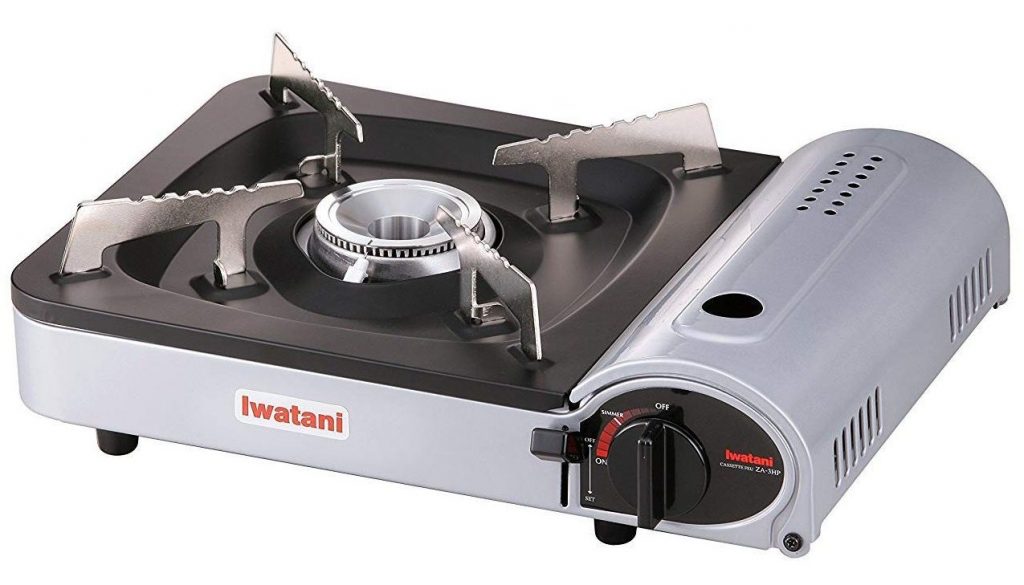
The fire used for brewing, whether from a gas stovetop or an outback billy boil, should ideally be no larger than your stovetop moka pot. As noted by Lance Hedrick and James Hoffmann, this method produces a concentrated, espresso-like coffee. If you’re using a gas stovetop, consider a stove trivet for added stability.

According to the Specialty Coffee Association (SCA), a standard espresso is defined by a 9-bar pressure. Learn more about stovetop espresso makers
You must be logged in to post a comment.